LOST ISLAND JOURNAL / FROM THE ARCHIVE
Foods of the Future
Originally published
Here at the Planetary Broadcast Network, we’re all big fans of the many delicious products made by one of our corporate sponsors, Jibble. In the office cafeteria, the vending and soft drink machines, and even in the PBN standard-issue emergency survival kit that every new hire receives, Jibble is there! In fact, it’s just about impossible to escape the Jibble family of fine gelled foodstuffs. But such delicious convenience may not always be the case. As the thrill ride that is global climate change races onward, we’re seeing higher temperatures and more extreme, less predictable weather patterns every year. Increased thunder snow, hails of toads, and mutant cricket swarms all threaten food production, and observers say that the region in the central US known as “the Ashlands” is growing larger every year.
To explore the risks to our current food infrastructure, researchers at the Center for the Study of Existential Risk at Cambridge University reviewed 500 recent studies on food production. The lead researcher, Dr. Asaf Tzachor, summarized their findings; “We have to radically change the foods we farm and consume, as well as our farming approaches and techniques.”
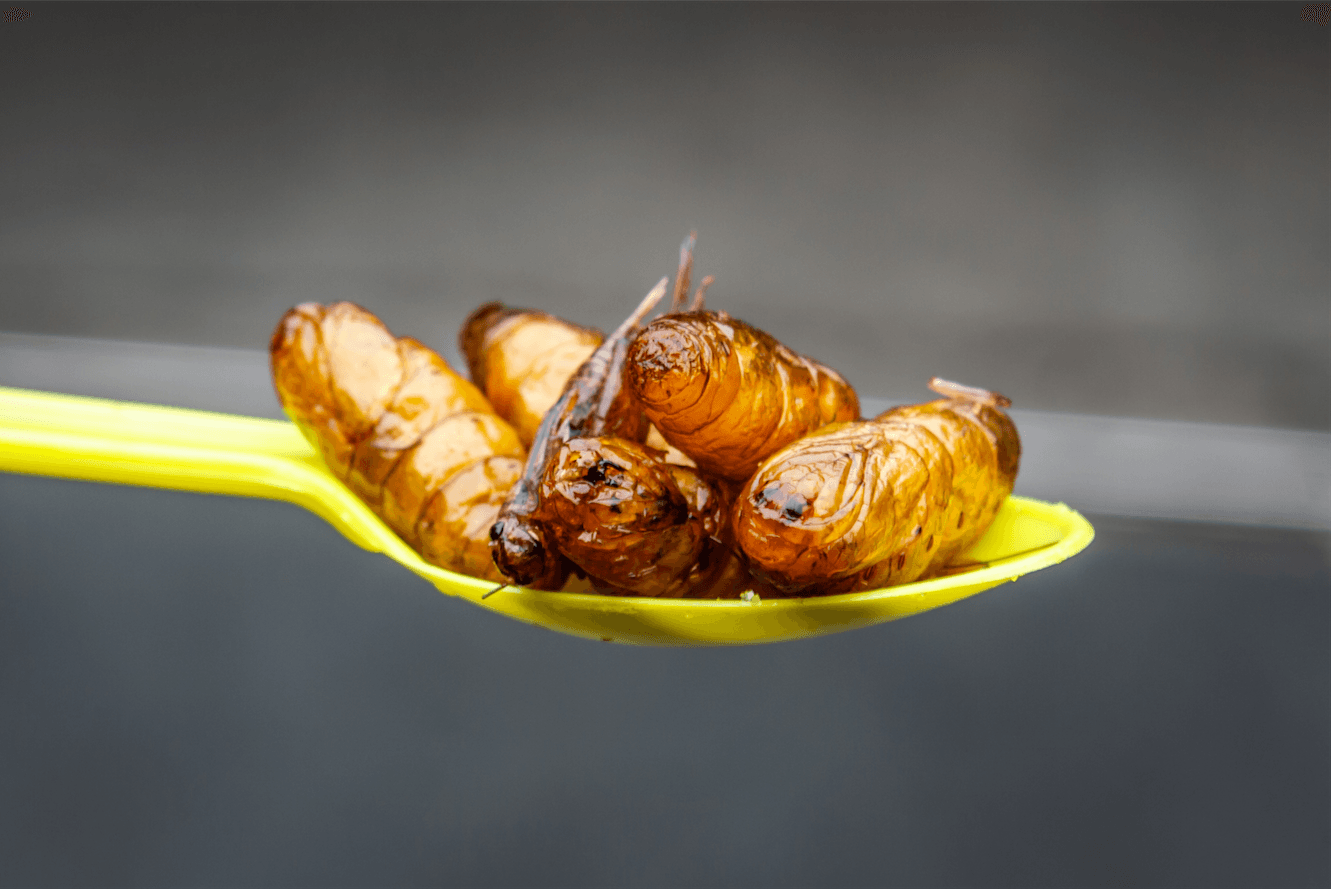
The study identified several types of food and production methods that are better equipped to weather the storms that may come. They concluded that producing food under cover or in completely controlled environments is the best way to shelter it from uncertain weather and other natural events. These indoor crops would include high-protein insects, mycoprotein, and microalgae. Insects like crickets and mealworms can be farmed on a very small footprint, may be fed food waste, and reproduce quite rapidly. Mealworms in particular are packed with nutrition; 100 grams of mealworms packs 14 to 25 grams of protein in just over 200 calories, and contains levels of vitamins and minerals that rival beef.
Mycoprotein—protein derived from fungus—is a similarly impressive nutritional powerhouse, containing 11 grams of protein per 100 gram serving. More importantly, mycoprotein has been shown to provide a longer period of satiety than comparable amounts of traditional proteins, making it useful in weight reduction programs. Most consumers have found the texture and flavor of mycoprotein a very acceptable substitute for meat, and its high fiber content helps control blood sugar levels. Perhaps its biggest selling point is that it can grow at a prodigious rate; under proper conditions, it can double its mass every five hours.
The real star on the protein front, however, is microalgae. These single-celled organisms outproduce traditional plant-based proteins like soybeans six to one, and offer protein yields more than 100 times greater than animal sources like beef, eggs, and dairy. Although microalgae grow in water, it doesn’t have to be fresh water; some species grow best in brackish or seawater, while others can be grown in waste water from home use or light industrial processes.
Because all of these foods can be produced in urban settings, Dr. Tzachor believes they can not only alleviate food shortages, but also reduce dependence on foods transported great distances to feed inner cities, and help distribute nutritional resources more equitably. “Developing alternative food technologies, and decentralizing food production, is a critical pathway to ensure a risk-resilient and sustainable future,” asserts Tzachor.
These emerging food sources may indeed be the best way to feed Earth’s billions in the future, and Jibble is already rolling out some new recipes in a few lucky test markets. Keep your eyes open in the snack aisle for Fungal Frittata Chips and Deep-fried Cricket Cakes, or try one of their new frozen entrées, like the Stoneground Mealworm Polenta, served with a hearty garlic and algal pesto. Trust Jibble to bring you nutrition in ways you never expected!
And trust the Planetary Broadcast Network to keep you up to date on this and other food-adjacent news, as well as the coverage of world events that you need to be an informed member of our great democratic experiment.
THERE’S ALWAYS MORE OUT THERE.
Explore our worlds